Facilities
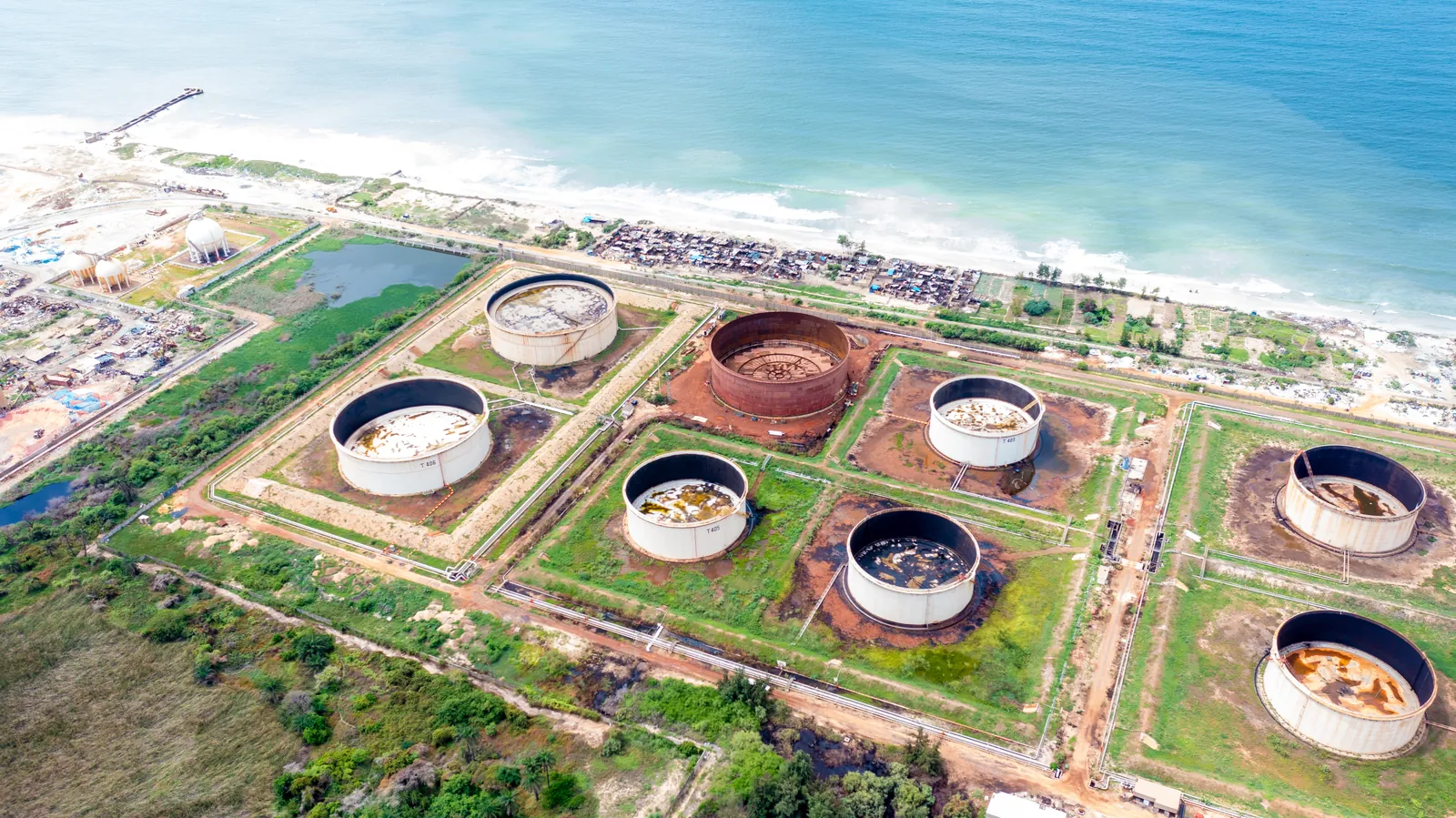
Zone A: crude product storage
Crude oil is delivered by sea and unloaded offshore. It is then held in storage tanks until it enters the refining process.
Storage capacity
- The tanks : 8 crude storage tanks, including a new one, shown in brown
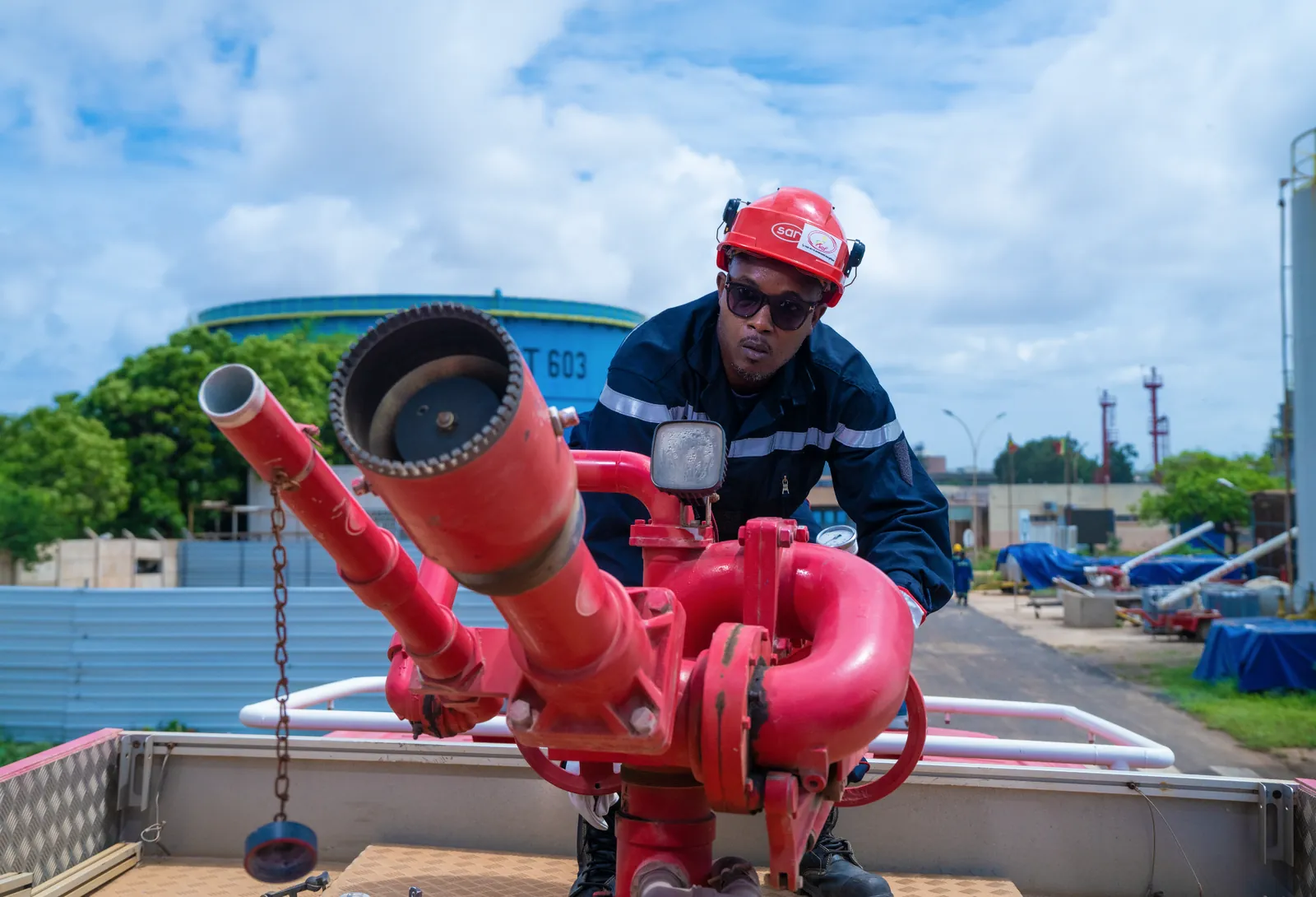
Prevention
- ISO 45001
- Health and Safety
- ISO 14001
- Environmental management
Inspection
The integrity of pressure equipment
Piping, columns and vessels are permanently subject to pressure and temperature. The Inspection Department safeguards their integrity and compliance throughout their service life:
Drawing up inspection plans matched to the assessed risk of each item of equipment
Inspecting equipment and its safety accessories, and verifying regulatory compliance
Recommending the nature and timing of preventive maintenance or replacement work
Security
Installations and access points, against malicious acts
The refinery is a facility of national significance. The Security Department ensures its protection against malicious acts:
Maintaining permanent surveillance of the plant, loading stations and pipelines
Managing access to the refinery and controlling entries and exits
Acting as the interface with the defence and security forces
Safety
People and operations, against the risk of accident
Refining operations handle flammable products every day. The Safety Department ensures the protection of people and installations:
Assessing the risks associated with operations and controlling them with all stakeholders
Analysing every incident, even one without consequence, to prevent any recurrence
Running emergency simulation exercises and maintaining response capability
Environment
Air, water and soil, beyond the site boundary
Refining transforms matter and consumes energy. The Environment Department assesses its impacts, controls them and reports on them, year after year:
Assessing the impact of operations on air, water and soil
Monitoring discharges and verifying their compliance with environmental regulations
Managing and sorting waste, both liquid and solid
Laboratory
Quality control
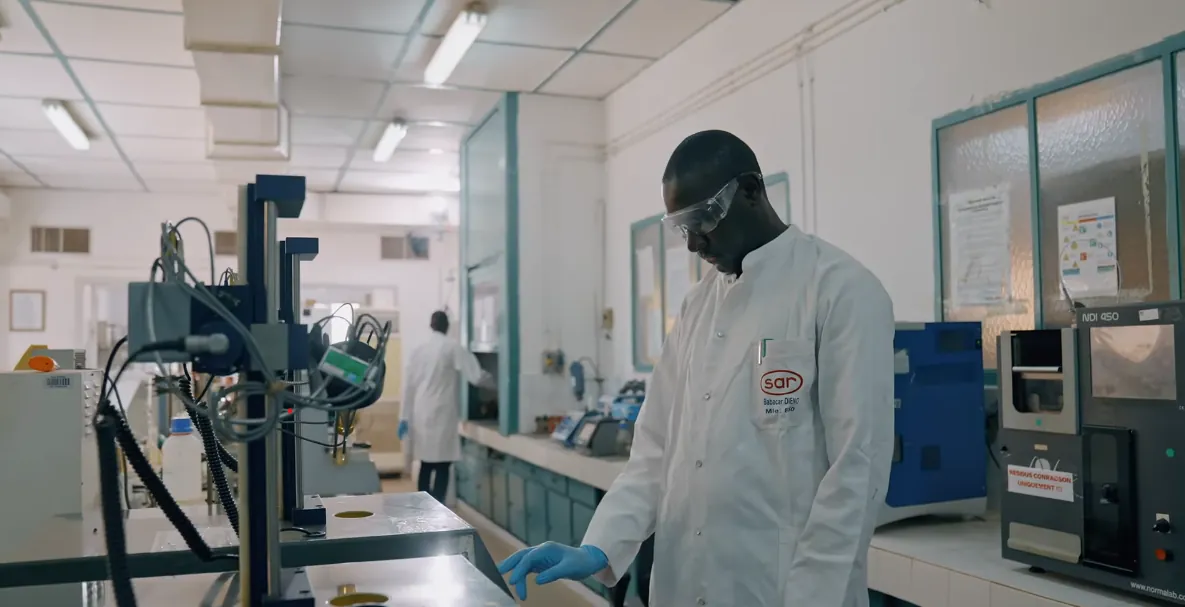
Before any cargo is discharged, a sample is taken and analysed to verify that the product received is compliant. Samples are then taken throughout refining, to monitor process operation and correct any deviation without delay. Every finished product is finally analysed before it reaches the market: it is released only once its compliance with the applicable specifications has been verified.
Service
The laboratory also carries out analyses on behalf of external clients
Products analysed
- Butane
- Super Gasoline
- Pirogue Gasoline
- Kerosene
- Lamp Oil
- Gasoil/Diesel
- Fuel Oil
For any request, please contact us on +221 33 839 84 39.
Scope of analyses